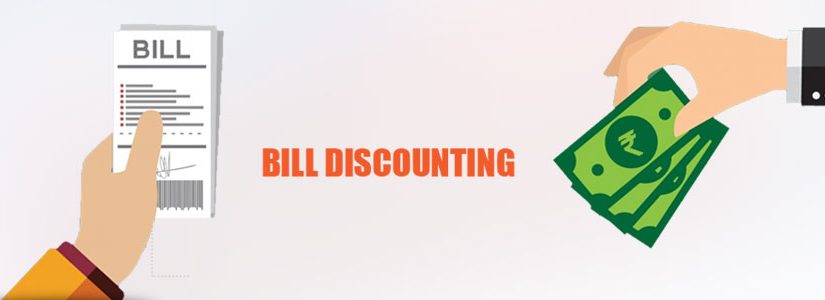
Bill discounting is a financial arrangement where a funder advances a sales bill from a business before it is due, charging a fee for the early payment. Bill Discounting, also known as purchase of bills and invoice discounting are all the same type of financial instrument used to provide working capital to small and medium enterprises from invoices raised.
How does bill discounting work?
- 1. The business sells its goods or services, offering credit and raising an invoice to the buyer or a customer.
- 2. Once the invoice or bill of exchange is accepted by the end customer, they agree that they will settle
the invoice on an agreed date in the future, normally 30 days, but it could be many more.
- 3. The business approaches a financing company with the invoice raised.
- 4. The financing company assesses the credit worthiness of the invoice, legitimacy of the bill raised and
calculates the risk of advancing the invoice.
- 5. The funds are then released to the business, less relevant fees and charges which are agreed upon.
- 6. The business house gets the requisite funds.
- 7. Once the payment is due from the buyer, the financier collects payment on behalf of the business
from the end customer.
What are the advantages of bill discounting?
Invoice financing has many pros for small businesses, the main being a material improvement in the businesses cash position.
- Improved cash flow and working capital.
- Can be good for new startups.
- Borrower only pays on the amount of money used, unlike a business loan.
- Risk of bad debt or non-payment can be passed on to the financier.
- Quick to access, funds can be released within 24 hours.
At Anant Finvest, our international team of bill discounting experts are here to help your business access working capital.